
Here’s the thing about retirement in the UK: if you spent decades raising children instead of climbing the corporate ladder, the system might have quietly stolen your savings. It turns out that Department for Work and Pensions (DWP) has been failing to correctly record Home Responsibilities ProtectionUnited Kingdom (HRP) credits on National Insurance records for nearly two centuries of parents. The result? An estimated 194,000 people—predominantly mothers—are sitting on an average unpaid debt of £5,000 each.
The government finally admitted the scale of this mess in 2021, but progress since then has been glacial. By March 2024, only 419 cases had been fully assessed and repaid. That’s less than 0.3% of those affected. Critics aren’t mincing words, calling the pace "snail-like" and accusing officials of dragging their feet on what amounts to a massive administrative failure.
The Scale of the Underpayment Crisis
Let’s look at the numbers, because they are staggering. The DWP has set aside a provision of £1.15 billion to cover these specific HRP-related errors. Yet, as of the end of the 2023-24 tax year, they had paid out just £2.2 million. In the following financial year (2024/25), they managed to compensate 12,379 individuals, totaling around £104 million. While that sounds like a lot, it’s still a drop in the ocean compared to the total liability.
The demographic hit is particularly hard on women. Of the roughly 194,000 anticipated cases, data suggests around 151,000 are still alive, while tragically, 43,000 have already passed away without ever receiving the money they were owed. This isn't just about current retirees; it's about families who may never see the inheritance or security their elders sacrificed for.
Why does this matter now? Because HRP was designed to protect people between 1978 and 2010 who took time off work to care for children or others. If you claimed Child Benefit before May 2000 and weren't paying full National Insurance contributions, you should have received these credits. Instead, many records show gaps where years of caring responsibility should be counted toward a full state pension.
Who Is Affected and How to Check
If you’re wondering whether you’ve been shortchanged, here’s who needs to pay attention. The primary group consists of parents, mostly mothers, who:
- Claimed Child Benefit in their own name before May 2000.
- Took time out of paid employment to raise children or provide care.
- Did not pay the reduced "married woman’s stamp" National Insurance contribution (a historical anomaly that excluded many married women from standard NI payments).
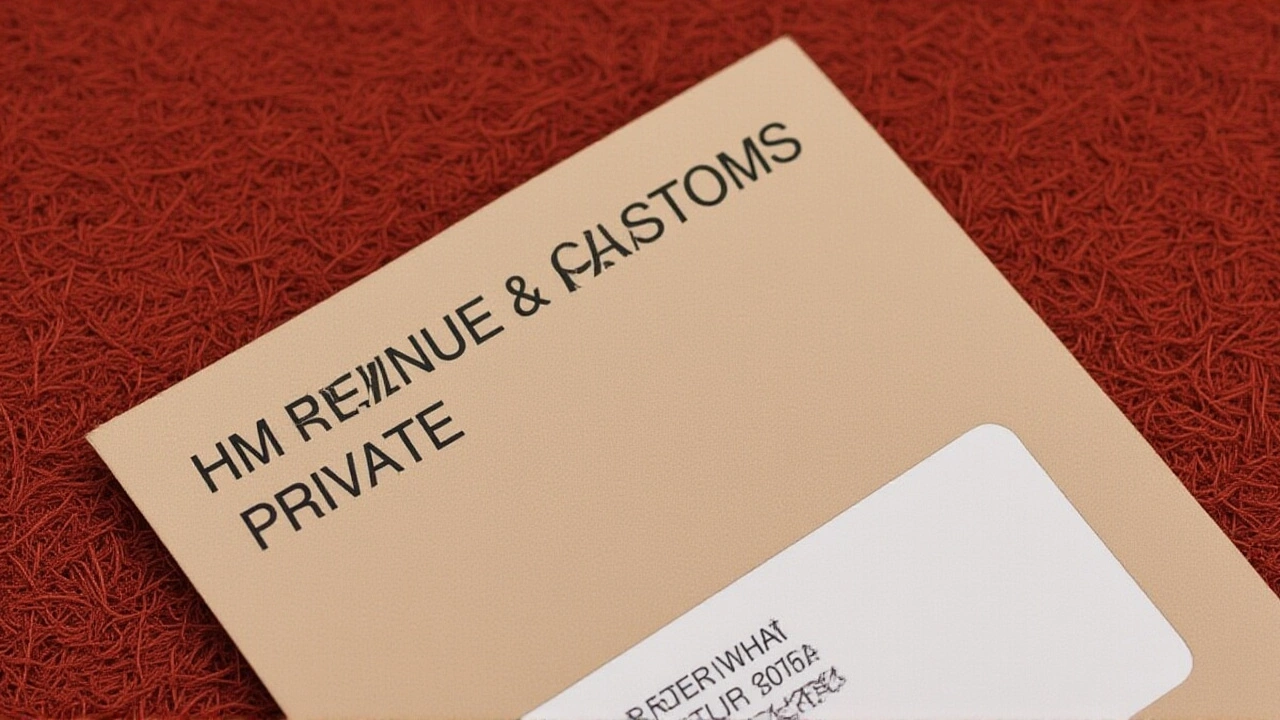
Her Majesty's Revenue and Customs (HMRC) has been leading the charge in identifying victims. Since autumn 2023, they’ve issued over 370,000 letters to people potentially affected by missing HRP. They’ve finished writing to everyone currently over state pension age and are now contacting those under the threshold.
You don’t need to wait for a letter, though. You can check your status using the online tool labeled "Home Responsibilities Protection" on the government website. For those who prefer human interaction, the National Insurance helpline is available at 0300 200 3500. If you find missing years, you can apply retrospectively. For HRP periods up to 2010, use form CF411; for National Insurance credits after that, use form CF411a.

Government Response and Future Outlook
The DWP’s response has been a mix of apology and bureaucratic shuffle. A spokesperson stated, "We are correcting an issue related to the historical recording of HRP... Most people’s records will be unaffected." But for the 194,000 whose records *are* affected, "unaffected" is the last word they want to hear.
Previously, the correction effort was treated as a short-term project. Recognizing the sheer volume of backlogs, the DWP shifted strategy in late 2024, converting it into an ongoing programme with no time limit for claims. This means you won’t miss out if the bureaucracy moves slowly—but it also means the problem won’t disappear quickly. Officials estimate the work could continue until the financial year 2027-28, or possibly even 2028.
This isn't an isolated incident. The HRP error is part of a wider pattern of state pension underpayments. To date, the government has repaid £594 million to 99,558 individuals across various error categories, including 44,000 married women, 23,000 widows or widowers, and 33,000 people over 80. The cumulative effect erodes trust in the social safety net.
Expert Analysis and Historical Context
Consultancy firm LCP, which published guidance titled "Mothers Missing Millions," notes that a similar correction exercise over a decade ago identified 36,000 parents and paid out over £85 million in arrears. Back then, it increased weekly pensions by an average of £10 per week. Today’s figures are exponentially larger, reflecting both inflation and the compounding nature of pension calculations.
The core issue remains technical but deeply personal. HRP ensures that years spent caring don’t count as "gaps" in your National Insurance record. Without it, you might fall below the 35-year threshold needed for a full new state pension. For many women of a certain generation, this wasn't a choice to stay home—it was the societal norm. Now, the state is asking them to prove their worthiness for benefits they helped fund through other means.
Frequently Asked Questions
How do I know if I am affected by the HRP error?
You are likely affected if you claimed Child Benefit before May 2000 and took time out of work to care for children or dependents. Check your National Insurance record online via the gov.uk service or call the National Insurance helpline at 0300 200 3500. Look for gaps in your contribution history during years you were caring for family.
What is the average amount of money being repaid?
The average underpayment is approximately £5,000 per person. However, individual amounts vary based on the number of missing years and how they impact your overall pension entitlement. Some individuals may receive significantly more if the corrections boost their weekly pension rate long-term.
Do I need to wait for the government to contact me?
No. While HMRC has sent over 370,000 letters, you do not need to wait for one. You can proactively check your eligibility using the online HRP tool or by submitting forms CF411 (for pre-2010 HRP) or CF411a (for post-2010 credits). Taking action yourself can speed up the process.
Will my pension increase automatically once the error is fixed?
Yes. Once HMRC updates your National Insurance record with the missing HRP credits, the Department for Work and Pensions will reassess your state pension. If you are already receiving it, your weekly payment should increase, and you will receive a lump-sum backpayment for the period you were underpaid.
Is there a deadline to claim these missing payments?
Currently, there is no strict time limit for claiming missing HRP due to this specific administrative error. The DWP has converted the correction scheme into an ongoing programme. However, given that processing times are slow, it is advisable to act as soon as possible to secure your entitlements.